
Dealing with a stubborn verruca can be incredibly frustrating. Many people spend months applying over-the-counter paints, acids, and plaster kits, only to find the lesion remains painful and unchanged. This educational guide, written from a medical perspective, explores the biology of the Human Papillomavirus (HPV), explains why high-street treatments consistently fail to clear deep plantar lesions, and details how professional cryotherapy solves the riddle of why is my verruca not going away safely and permanently.
It is incredibly easy to ignore a minor discomfort on the sole of your foot or the edge of your toe when you have a busy daily schedule. Many individuals across County Armagh notice a small, rough patch of skin developing and simply brush it off, assuming it will clear up on its own. It is only when the spot grows larger, develops a signature rough “cauliflower” texture, or begins to cause a sharp, needle-like pain every time they take a step that they realize they are dealing with a plantar wart.
At this stage, the standard reaction is to head to the local pharmacy to pick up a box of medicated plasters, a freezing spray, or a tube of salicylic acid. Weeks turn into months of tedious daily scraping, filing, and burning, yet the lesion remains stubbornly intact. This constant loop leaves many asking the same stressful question: why is my verruca not going away?
Living with persistent foot pain or feeling embarrassed to go barefoot at the local pool doesn’t have to be your baseline reality. True skin health involves recognizing when home hacks are failing and turning to professional, medical-grade solutions. This guide details the biological architecture of plantar lesions and explores how advanced clinical procedures offer the ultimate path to complete skin renewal.
The Viral Reality: What Actually Is a Verruca?
To fix a persistent foot lesion, you must first understand how it is constructed. Unlike a simple corn or a hard callus—which are caused purely by mechanical friction and pressure—a verruca is an active, deep-seated viral infection.
It is triggered by specific strains of the Human Papillomavirus (HPV). When this virus finds a tiny micro-tear or break in your outer skin barrier (often contracted in warm, damp communal environments like gym changing rooms, showers, or swimming pools), it invades the basal layer of the epidermis. Once inside, the virus hijacks the cellular machinery, forcing your skin cells to rapidly replicate and form a thick, highly vascularized mass of rough skin.
The Main Obstacle: Why Is My Verruca Not Going Away?
The absolute core reason behind the frustrating question of why is my verruca not going away comes down to how the virus defends itself inside your tissue.
To help you visualize this battle, here is how a stubborn verruca protects itself against your body’s defenses:
Because the sole of your foot bears your entire body weight, the walking motion continuously pushes the verruca deeper inward into the dermis rather than allowing it to grow outward. This creates a deeply buried viral anchor protected by an incredibly thick wall of dead skin tissue, explaining exactly why your immune system completely ignores it for years.
Why Over-the-Counter Pharmacy Treatments Frequently Fail
When people search for answers regarding why is my verruca not going away, they are usually trapped in a cycle of failed high-street remedies. These options lack the mechanical power required for deep dermal resolution.
The Problem with Home Freezing Sprays
Drugstore home-freezing kits use a mixture of dimethyl ether and propane. While they feel cold to the touch, they can only reach temperatures of around -50°C to -55°C. Because thick plantar skin acts as a powerful insulator, this mild cooling energy only chills the surface cells. It completely fails to penetrate the deeper layers of the foot, leaving the viral core at the base fully alive, warm, and replicating.
The Salicylic Acid Trap
High-street liquid gels rely on low-concentration acids to slowly dissolve the skin over several months. Because you have to apply it blindly at home, the corrosive liquid frequently spills off the verruca and spreads onto the surrounding healthy skin layout. This degrades your healthy skin barrier, causing blistering, raw chemical burns, and intense pain, all while leaving the deep viral core completely untouched.
The Clinical Breakthrough: Advanced Precision Cryotherapy
To solve the puzzle of why is my verruca not going away, the treatment must deliver a precise temperature drop capable of shocking the virus and breaking down the cellular structure from the inside out. This is where professional medical cryotherapy becomes essential.
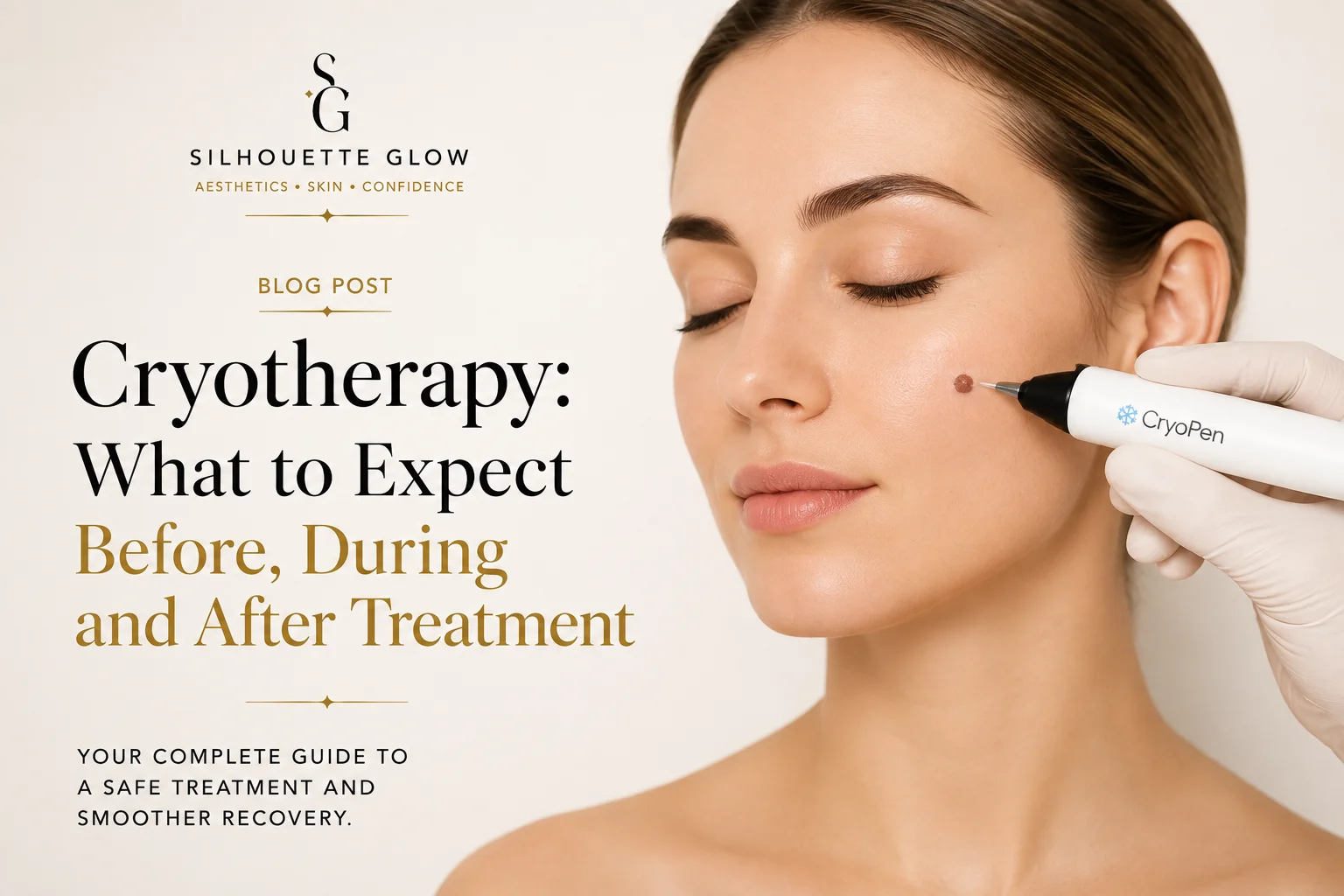
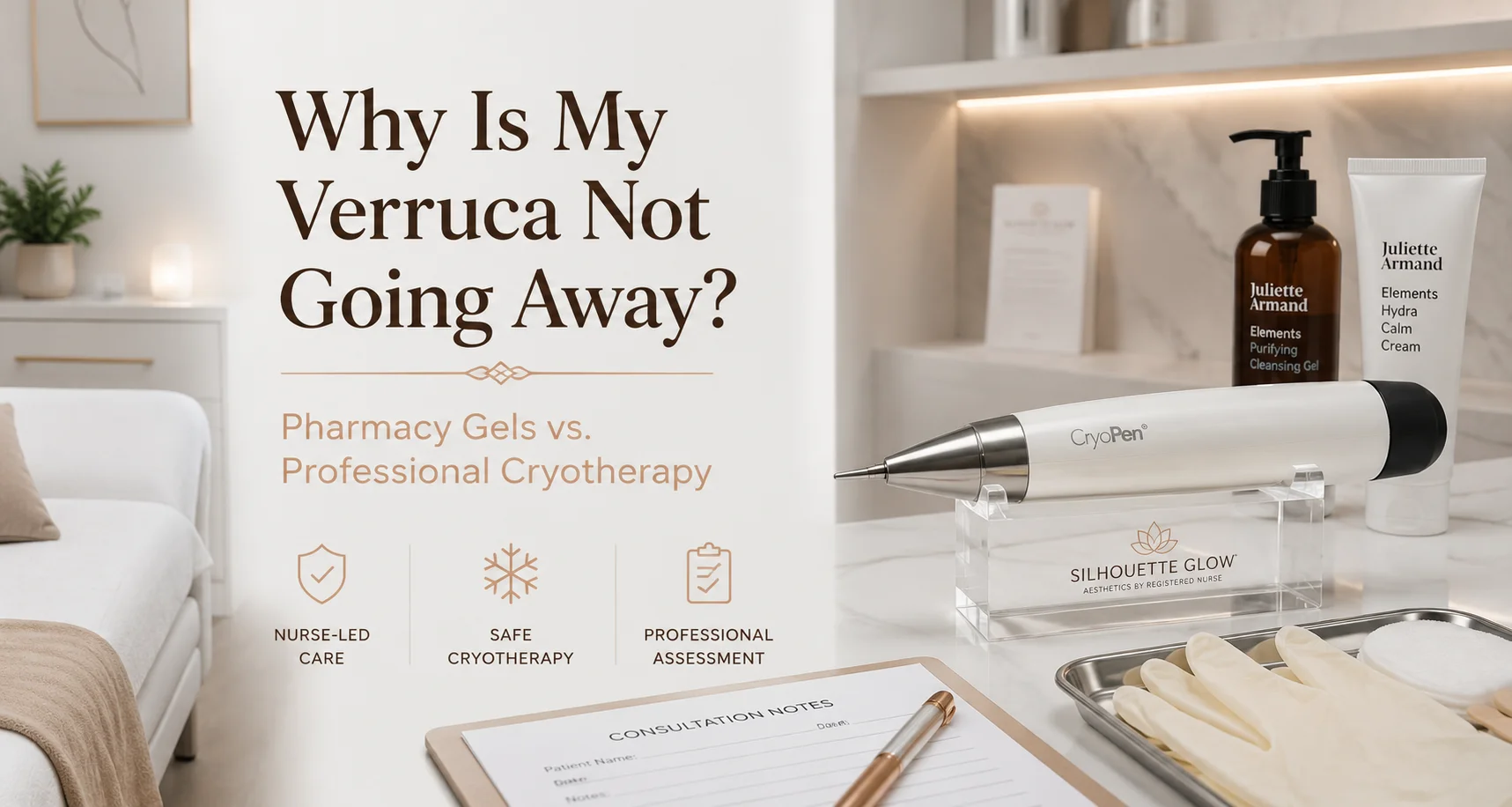
Advanced clinical equipment, such as CryoPen® systems, delivers a localized jet of pure, high-pressure nitrous oxide gas at a constant, freezing temperature of -89°C.
The table below highlights why professional medical cryotherapy succeeds where home methods continuously fail:
When this micro-fine freezing jet is applied directly to the center of the verruca, it instantly freezes the water inside the infected cells into sharp ice crystals, causing the cell walls to rupture.
Crucially, this cell damage causes cellular debris to leak into the deeper tissues where your blood vessels are located. Your body’s immune system instantly detects this viral protein leakage, alerts your white blood cells, and triggers a widespread systemic response to attack and clear the underlying HPV infection from your body permanently.
What to Expect During Your Professional Session in Richhill
Choosing a professional skin clinic near me removes all stress and complication from your care, ensuring your foot health is managed inside a highly regulated, hygienic medical environment.
-
The Clinical Debridement: To ensure total efficacy, the practitioner will gently pare down the hard, overlying layer of dead keratin shield using sterile medical instruments. This exposes the true viral core beneath, ensuring the cold can penetrate straight to the base.
-
The Precision Freeze: The CryoPen micro-applicator tip is positioned directly over the lesion. The freezing cycle is activated for a matter of seconds. You will experience a localized, cold stinging sensation as the ice block forms, which fades quickly. No needles, cutting, or stitches are ever required.
-
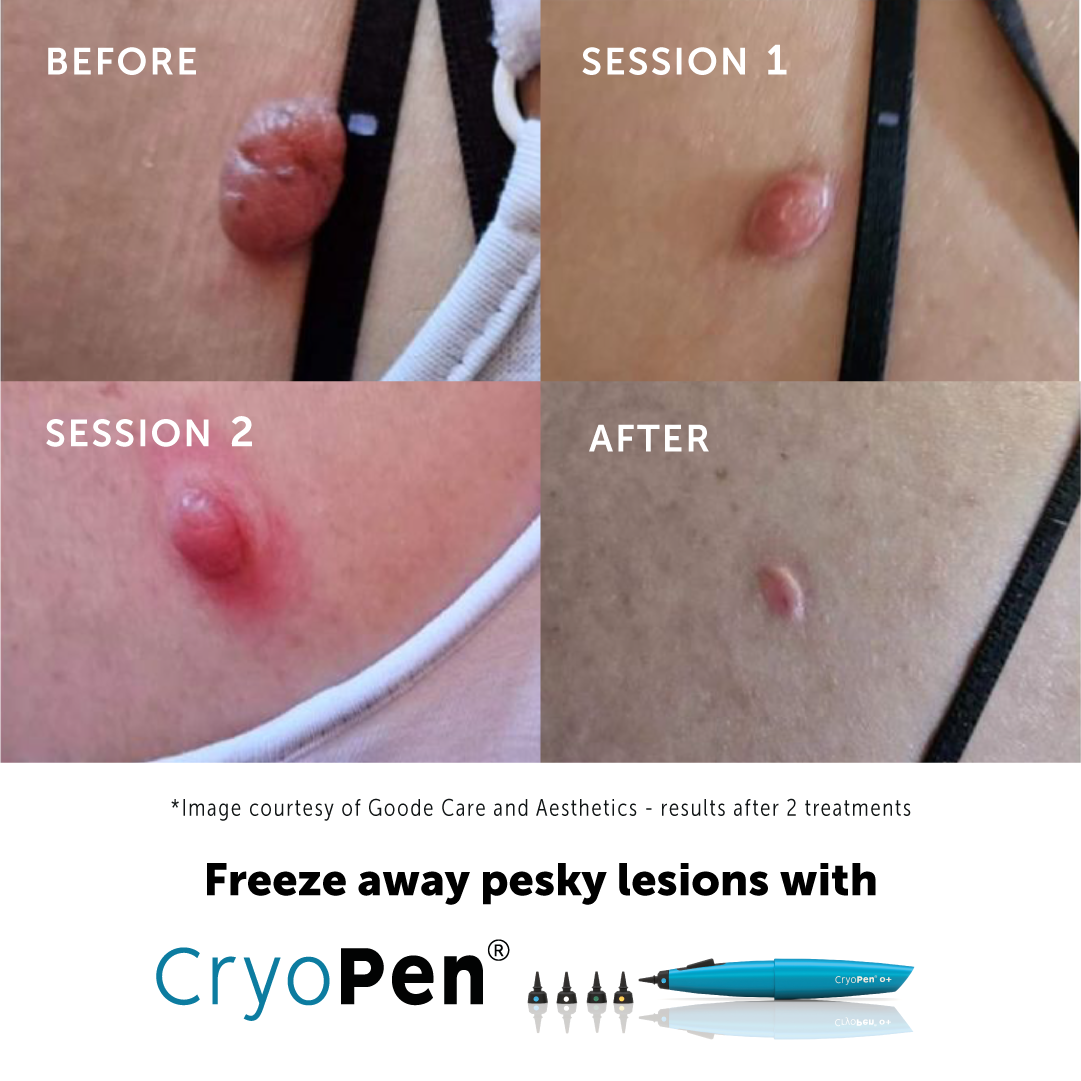
The Healing Matrix: Following the treatment, a small blister often forms under the verruca, separating the infected cells from the healthy dermal layers beneath. Over the coming weeks, your body naturally pushes the dead tissue outward, letting fresh, healthy skin layers take its place.
Frequently Asked Questions
1. Why is my verruca not going away after months of pharmacy treatments?
The primary reason why is my verruca not going away comes down to penetration depth and viral protection. High-street treatments lack the structural strength to break through the thick, protective layer of dead skin on your feet, leaving the underlying viral infection fully intact.
2. Can a verruca stay on your foot for years?
Yes. Because the virus lives completely inside the outer layers of your skin and avoids the bloodstream, your body’s natural immune system does not recognize its presence, allowing a verruca to persist for years without advanced clinical intervention.
3. Does professional cryotherapy for verrucas hurt?
Most patients describe the sensation as a sudden, intense cold pinch or deep sting that lasts only for the brief seconds the gas is actively touching the foot. The discomfort subsides almost immediately after the pen is pulled away.
4. How many sessions are required to clear a stubborn verruca?
While small or superficial warts can resolve in a single treatment, deep-seated, long-term plantar verrucas frequently require a structured plan of 2 to 4 sessions spaced a few weeks apart to completely eliminate the virus from the basal layer.
5. Will the freezing process damage my surrounding healthy skin?
No. Because our advanced clinical cryotherapy device features an ultra-fine applicator tip, the cold is delivered with millimeter precision, ensuring the viral core is destroyed while your healthy skin barrier remains fully protected.
6. Can I return to normal activity straight after a verruca treatment?
Yes. Cryotherapy requires zero downtime or invasive incisions. You can walk out of the clinic and return to your daily routine immediately, though we advise avoiding excessive, high-impact running on the treated foot for the first 48 hours.
7. What do the tiny black dots inside a verruca mean?
The black dots are not roots; they are actually tiny, clotted blood capillaries that the virus has redirected to pull nutrients to itself. Seeing them confirms that the lesion is a viral verruca rather than a simple hard corn.
8. Is professional verruca removal safe for children?
Yes, clinical cryotherapy is a highly safe, effective option for older children and adults. However, a full medical assessment is completed prior to any procedure to confirm total suitability.
9. How can I stop a verruca from spreading to other people?
To protect your family, avoid sharing towels or bathmats, wear flip-flops in public changing areas, and never pick or scratch at the lesion, as this can transfer viral particles to other parts of your hands or feet.
10. Can I get this treatment on the NHS?
Due to widespread funding cutbacks, the NHS rarely offers treatment for benign verrucas or warts as they are not classified as a medical emergency. Most individuals opt for private, nurse-led aesthetic clinics to access fast, effective relief.
Final Thoughts
Living with persistent foot pain or feeling endlessly frustrated by why is my verruca not going away is entirely optional. Trying to resolve a deep-seated viral infection with weak over-the-counter high-street liquids is a long, painful cycle that rarely delivers lasting clearance.
By stepping up to advanced, medical-grade cryotherapy, you replace ongoing frustration with pinpoint clinical precision. This treatment shocks the virus, awakens your body’s natural immune response, and allows you to walk with absolute comfort and skin confidence once again.
Book Your Appointment
If you are tired of struggling with a stubborn foot lesion and want professional, expert advice on how to clear it for good, checking out our comprehensive Wart & Verruca Removal Service in Armagh is your ideal next step.
At Silhouette Glow, located at Unit 4, Bramley Business Centre, 36-38 Main Street, Richhill, County Armagh, BT61 9PW, we specialize in providing premium, clinically sound care for your skin concerns. Founded and operated by Vaida, a Registered Nurse with 19 years of dedicated medical experience, our practice prioritizes patient safety, absolute clinical hygiene, and exceptional therapeutic outcomes above all else. We will expertly pare back your hard tissue shield, administer your cryotherapy with total precision, and guide you through a smooth, painless recovery.
To learn more about our nurse-led protocols, feel free to explore our dedicated treatment page or click below to secure your private clinical consultation today. You can also read client reviews and see our latest updates through our Google Business Profile.