
If you’ve been putting off treatment because you’re worried about pain, you’re not alone. One of the most common questions we hear at Silhouette Glow is “Does cryotherapy hurt?” The honest answer is that most people experience brief discomfort rather than significant pain. This guide explains exactly what cryotherapy feels like, which areas tend to be more sensitive, how long the sensation lasts, and what we do in our nurse-led clinic to make treatment as comfortable as possible.
The Honest Answer: Does Cryotherapy Hurt?
For most people, cryotherapy is not as painful as they expect.
The sensation is usually described as:
-
A sudden blast of intense cold
-
A sharp stinging feeling
-
A burning or prickling sensation
-
Mild throbbing for a short time afterwards
The important thing to know is that the discomfort is usually very brief. The freezing itself often lasts only a few seconds, and the stronger sensation fades quickly once the treatment stops.
Many patients tell us afterwards that the anticipation was worse than the actual procedure.
What Does Cryotherapy Feel Like?
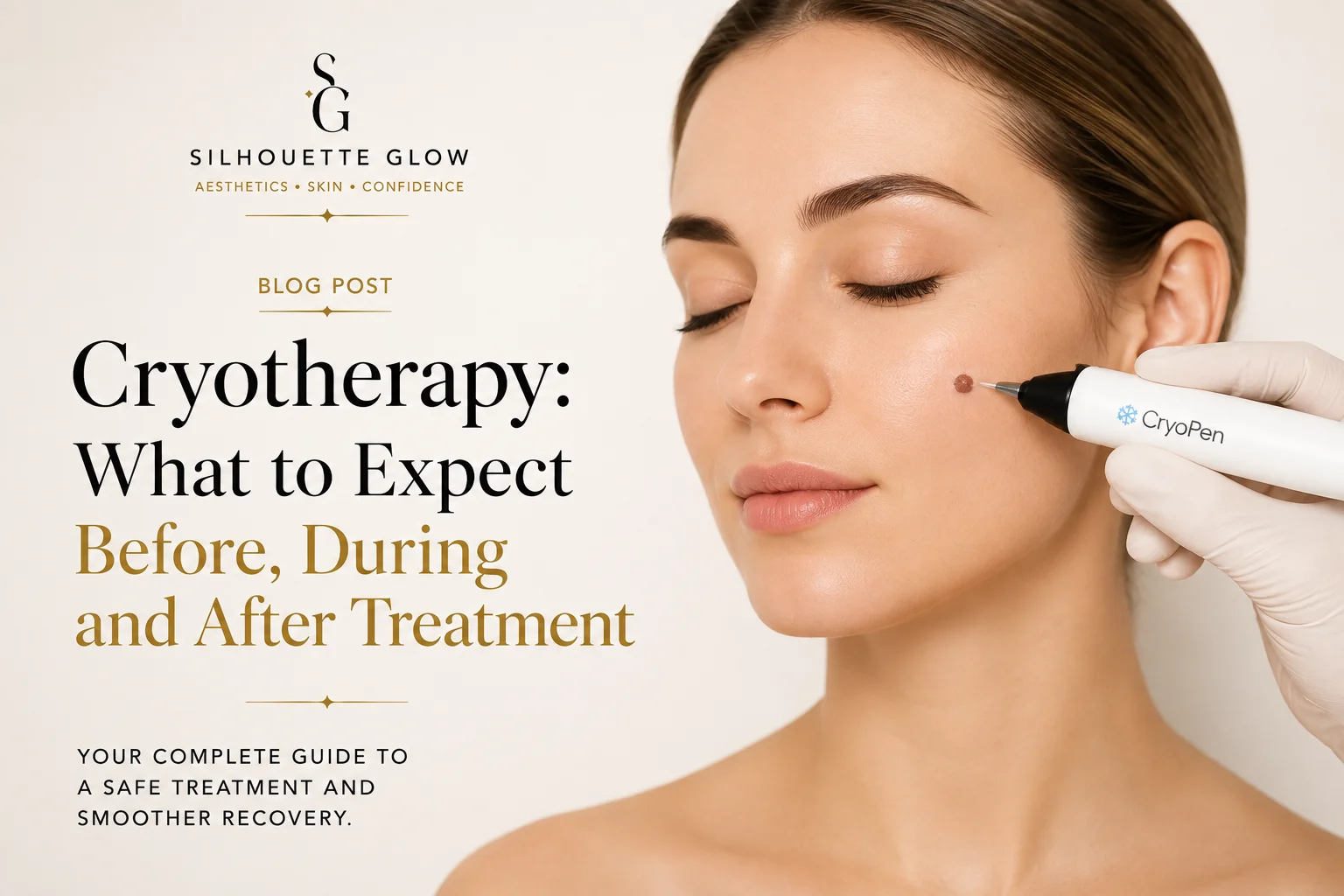
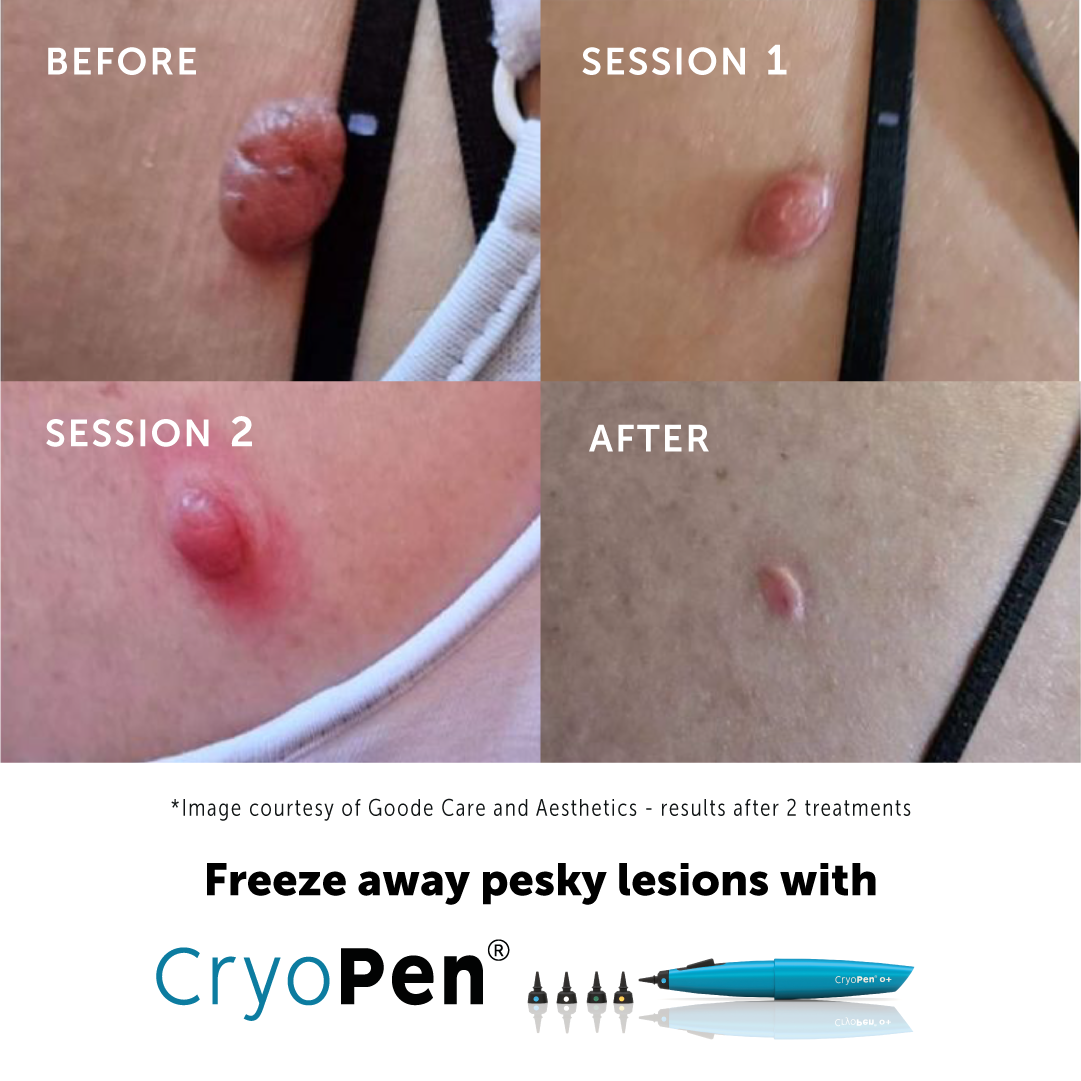
During treatment, the CryoPen delivers a fine jet of nitrous oxide directly onto the lesion.
Most patients notice these sensations
A fast, intense cold sensation
A sharp sting or prickling feeling
Mild burning as the tissue freezes
Temporary throbbing as the area begins to warm up again
The feeling is often compared to holding an ice cube against the skin for too long, but concentrated into a much shorter period.
Because the treatment is so quick, many people are surprised by how manageable it feels.
Why Does the Cold Feel So Intense?
Cryotherapy works by rapidly lowering the temperature of the targeted tissue.
The extreme cold causes abnormal cells to freeze, which disrupts their structure and allows the body to remove them naturally during healing.
The intense sensation happens because:
-
Nerve endings respond strongly to sudden temperature changes.
-
The treated tissue freezes very quickly.
-
Blood vessels temporarily constrict in response to the cold.
This reaction is expected and is part of how the treatment works.
Pain Levels by Treatment Area
Different parts of the body have different levels of sensitivity.
|
Area |
Typical Discomfort |
|---|---|
|
Skin tags (neck/body) |
Mild
|
|
Cherry angiomas |
Mild
|
|
Age spots |
Mild
|
|
Facial lesions |
Mild–Moderate
|
|
Common warts |
Moderate
|
|
Verrucas (soles of feet) |
Moderate–Higher
|
Verrucas tend to be the most uncomfortable because the skin on the soles of the feet is thicker and the lesions are often deeper.
Even then, the treatment is usually over within seconds.
What Patients Commonly Say
These are the descriptions we hear most often in clinic:
“It felt like a quick ice burn, then it was over.”
“I expected it to be much worse.”
“The verruca treatment stung for a few seconds, but it was manageable.”
“The area felt warm and slightly sore for about 10 minutes afterwards.”
These real-world descriptions are often more reassuring than pain scores because they reflect what patients actually experience.
How Long Does the Discomfort Last?
The strongest sensation is usually during the freezing itself.
Typical timeline
| Stage | What You May Feel | Typical Timing |
|---|---|---|
| During treatment | Sharp cold sting | 0–5 minutes |
| After treatment | Warmth or throbbing | 5–30 minutes |
| Later that day | Mild tenderness | Later that day |
| Recovery | Usually minimal discomfort | Within 24–48 hours |
Most people do not need pain relief afterwards, although a treated verruca may feel tender when walking for a short period.
What Happens After Treatment?
After cryotherapy, the area may become:
-
Red
-
Slightly swollen
-
Tender to touch
-
Blistered in some cases
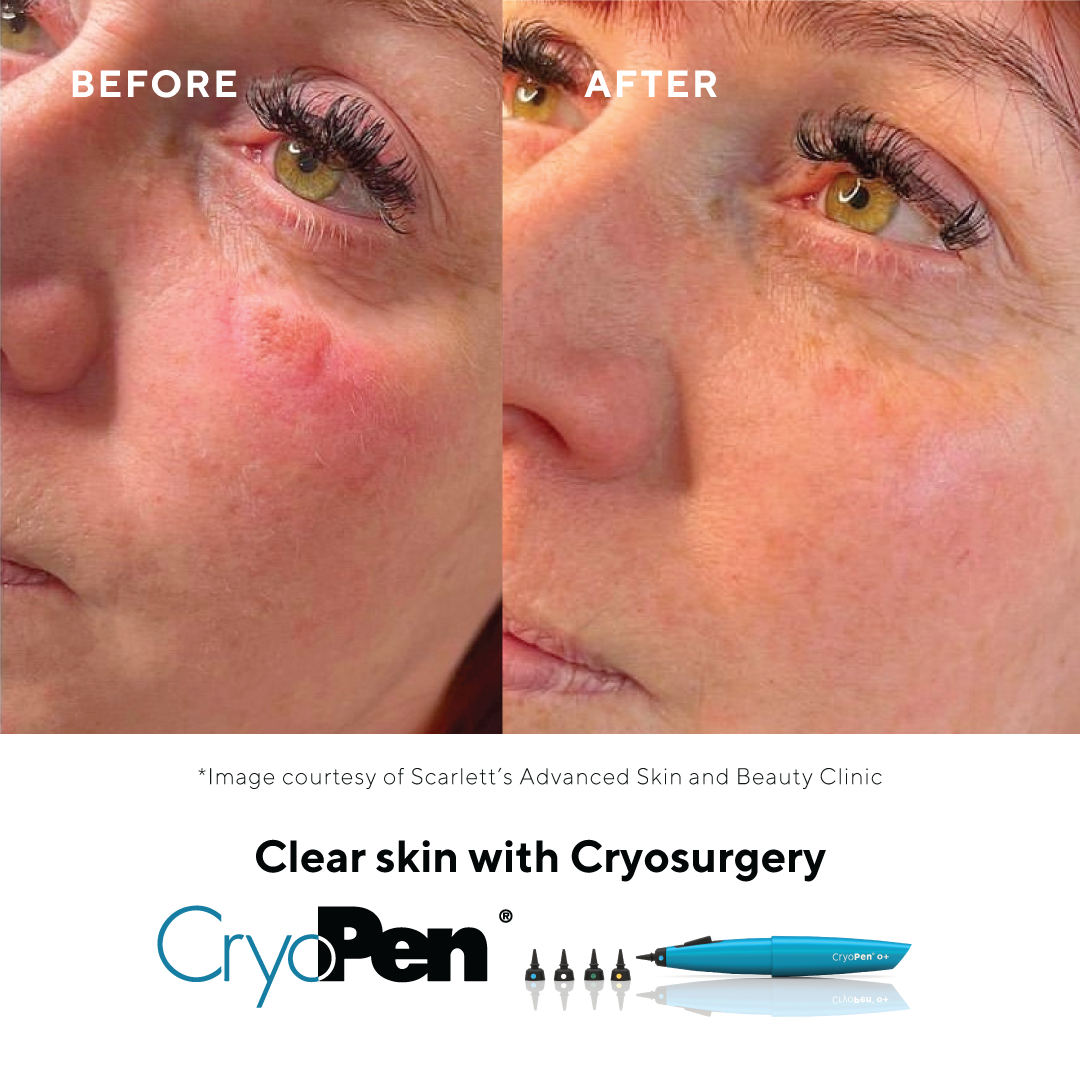
A blister is not a sign that something has gone wrong. It is a normal response to freezing and often indicates that the treatment has reached the targeted tissue effectively.
Over the next several days, the treated lesion will gradually dry out and separate from the skin.
(Read our full guide: *Cryotherapy Recovery Timeline: What to Expect Day by Day*.)
How We Keep Treatment Comfortable at Silhouette Glow
At our nurse-led clinic in Richhill, we take several steps to make treatment as comfortable as possible.
Precision Treatment
CryoPen technology allows us to target only the lesion, reducing unnecessary exposure of healthy skin.
Appropriate Freeze Times
We adjust the treatment duration based on the type, size, and location of the lesion.
Clear Communication
We explain exactly what you will feel before we begin, which helps reduce anxiety and makes the experience feel much more manageable.
Gentle Aftercare Advice
You will receive personalised aftercare instructions to help minimise irritation and support healing.
When Should You Contact the Clinic?
Mild redness, swelling, and tenderness are expected.
You should contact the clinic if you experience:
-
Severe or increasing pain
-
Spreading redness
-
Pus or signs of infection
-
Fever
-
A blister that becomes extremely swollen or painful
-
Any reaction that concerns you
These complications are uncommon, but we always encourage patients to get in touch if they are unsure about their healing.
Frequently Asked Questions
Is cryotherapy more painful than a blood test?
Most patients say cryotherapy is similar or less uncomfortable than a blood test, especially for small skin tags or cherry angiomas.
Does cryotherapy hurt afterwards?
The area may feel mildly tender or warm for a few minutes to a few hours, but significant ongoing pain is unusual.
Are facial treatments more sensitive?
Yes, facial skin can be slightly more sensitive, but treatments are usually very quick and well tolerated.
Can I drive home afterwards?
Yes. Cryotherapy does not affect your ability to drive.
Can children have cryotherapy?
In some cases, yes, but suitability depends on the type of lesion and the child’s age. A professional assessment is required.
Final Thoughts
If you’ve been searching “does cryotherapy hurt?”, the honest answer is that you should expect a brief cold sting, not severe pain.
Modern cryotherapy is designed to be quick, precise, and minimally invasive. Most patients tolerate treatment very well and are able to return to normal activities immediately afterwards.
The key is choosing a qualified professional who can accurately assess the lesion and tailor the treatment to your individual needs.
Book Your Consultation at Silhouette Glow
At Silhouette Glow in Richhill, County Armagh, we provide professional nurse-led cryotherapy for skin tags, cherry angiomas, verrucas, warts, and other benign skin lesions.
We take time to assess your skin properly, explain the procedure clearly, and ensure you feel comfortable throughout the treatment. You can also read client reviews and see our latest updates through our Google Business Profile.
Book your appointment today and get expert advice on the safest treatment option for your skin concern.