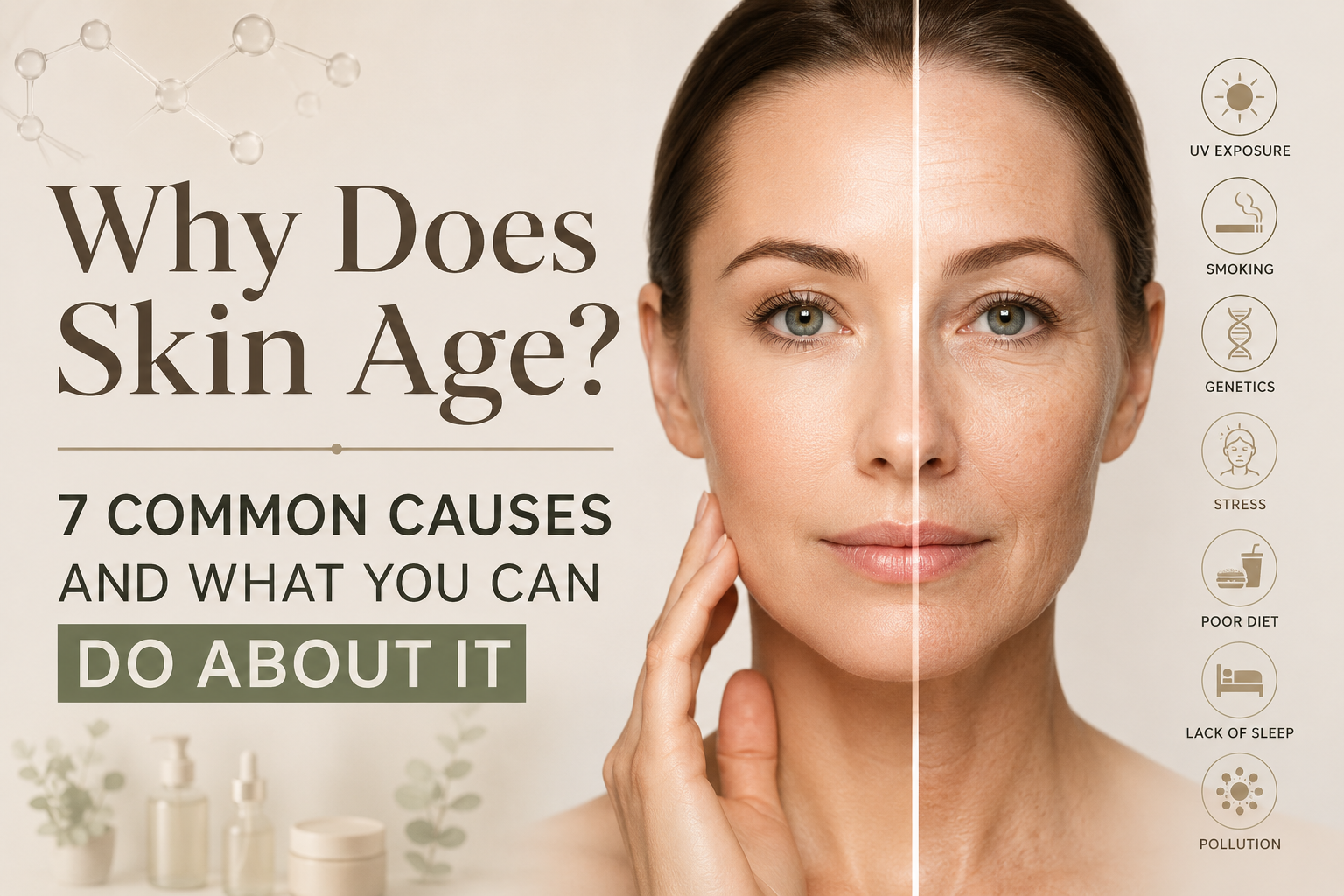
Have you ever looked in the mirror and wondered why does skin age & why your skin doesn’t look quite the same as it did a few years ago? Fine lines, reduced firmness, dryness, and changes in skin texture are all natural parts of the ageing process. Understanding why skin ages can help you make informed decisions about your skincare routine and professional treatments.
At Silhouette Glow, a nurse-led aesthetics and beauty clinic in Richhill, County Armagh, many clients ask why skin ageing happens and what they can do to maintain healthy, radiant skin for longer.
The good news is that while ageing is natural, there are ways to support your skin and improve its appearance through good skincare habits and professional skin treatments.
What Happens When Skin Ages?
As we get older, our skin naturally changes. The body gradually produces less collagen and elastin, two proteins responsible for keeping skin firm, smooth, and elastic.
Over time, skin may become:
- Less firm
- Drier
- Thinner
- More prone to wrinkles
- Less radiant
- More uneven in tone and texture
These changes happen gradually and are influenced by both internal and external factors.
1. Reduced Collagen Production
One of the biggest reasons skin ages is the natural decline in collagen production.
Collagen acts as the structural framework of the skin. It helps maintain firmness, smoothness, and elasticity.
From around your mid-to-late twenties, collagen production gradually begins to slow down. As collagen levels decrease, signs of ageing skin may become more noticeable.
Common signs include:
- Fine lines
- Wrinkles
- Reduced firmness
- Loss of volume
- Crepey skin texture
This is why collagen and skin ageing are closely connected.
2. Sun Exposure
Sun exposure is one of the leading causes of premature skin ageing.
Ultraviolet (UV) rays can damage collagen and elastin fibres, accelerating the development of:
- Fine lines
- Wrinkles
- Pigmentation
- Uneven skin tone
- Loss of elasticity
Daily SPF use remains one of the most effective ways to protect skin from premature ageing.
3. Dehydration
Hydrated skin generally appears healthier, smoother, and more radiant.
When skin lacks moisture, it can appear:
- Dull
- Rough
- Tight
- Tired
Dehydration may also make fine lines appear more noticeable.
Drinking water and maintaining a consistent skincare routine can help support skin hydration.
4. Lifestyle Factors
Several lifestyle factors can influence how quickly skin shows signs of ageing.
These include:
- Smoking
- Poor diet
- Lack of sleep
- Chronic stress
- Excessive alcohol consumption
While occasional lifestyle choices are unlikely to cause dramatic changes, long-term habits can contribute to skin ageing over time.
5. Environmental Stressors
Every day, skin is exposed to environmental factors such as:
- Pollution
- Weather changes
- Wind
- Indoor heating
- Air conditioning
These factors can affect skin health and contribute to dryness, irritation, and premature ageing.
Protecting and nourishing the skin barrier is important for maintaining healthy-looking skin.
6. Natural Ageing Process
Ageing itself is a completely natural biological process.
As we grow older:
- Skin cell turnover slows down
- Oil production decreases
- Collagen levels decline
- Skin becomes thinner
These changes occur in everyone and are part of normal skin development.
The goal is not to stop ageing but to support healthy skin throughout every stage of life.
7. Inconsistent Skincare Habits
One of the most common mistakes people make is constantly switching products or neglecting basic skincare habits.
Healthy skin often benefits from consistency.
A simple routine may include:
- Gentle cleansing
- Daily moisturising
- SPF protection
- Professional skincare guidance
Consistent care often produces better long-term results than chasing every new skincare trend.
Common Signs of Ageing Skin
Signs of ageing skin vary from person to person but may include:
- Fine lines
- Wrinkles
- Reduced elasticity
- Uneven skin tone
- Dryness
- Dullness
- Enlarged pores
- Loss of firmness
Recognising these changes early can help you choose appropriate skincare and treatment options.
Can Professional Skin Treatments Help?
Many people explore professional skin treatments as part of their anti-ageing skincare routine.
Professional treatments may help support:
- Skin hydration
- Skin texture
- Skin brightness
- Overall skin appearance
At Silhouette Glow, clients often choose treatments such as:
Microneedling
Microneedling supports the skin’s natural renewal processes and may help improve overall skin texture and appearance.
Hydra Bonding Therapy
This treatment focuses on improving hydration and supporting healthier-looking skin.
Hydra C Therapy
A popular option for clients looking to improve radiance and achieve a fresher complexion.
Professional Facial Treatments
Regular facial treatments can help cleanse, exfoliate, and support overall skin health.
How to Support Healthy-Looking Skin
Simple habits can make a significant difference over time.
Consider:
- Wearing SPF daily
- Staying hydrated
- Getting adequate sleep
- Eating a balanced diet
- Managing stress
- Following a consistent skincare routine
- Seeking professional advice when needed
Small improvements made consistently often produce the best long-term results.
Why Choose Silhouette Glow?
Silhouette Glow is a nurse-led aesthetics and beauty clinic located in Richhill, County Armagh.
Clients choose Silhouette Glow for:
- Personalised skincare advice
- Professional facial treatments
- Advanced skin treatments
- Nurse-led expertise
- Friendly and welcoming care
Our goal is to help clients achieve healthier-looking skin while supporting confidence and wellbeing.
Frequently Asked Questions
Why does skin age as we get older?
Skin ages due to natural biological changes, including reduced collagen production, slower cell turnover, and environmental factors such as sun exposure.
At what age does skin start ageing?
Collagen production generally begins to decline from the late twenties onwards, although visible signs of ageing vary from person to person.
Why Does Skin Age Even With Good Skincare?
Some people wonder why does skin age despite following a good skincare routine. While quality skincare helps support healthy skin, natural ageing processes continue over time.
Can ageing skin be improved?
While ageing cannot be stopped, professional treatments, good skincare habits, and healthy lifestyle choices may help improve skin appearance.
What causes wrinkles?
Wrinkles are commonly caused by reduced collagen, sun exposure, repetitive facial expressions, and the natural ageing process.
Does dehydration make skin look older?
Dehydrated skin can make fine lines and wrinkles appear more noticeable and may contribute to a dull appearance.
What is the best anti-ageing skincare habit?
Daily SPF use is widely considered one of the most effective habits for helping protect skin from premature ageing.
Can facials help ageing skin?
Professional facial treatments may help support hydration, skin texture, and overall skin health as part of an anti-ageing skincare routine.
Does microneedling help ageing skin?
Microneedling is a popular treatment used to support skin rejuvenation and improve overall skin appearance.
Why Does Skin Age After 30?
One common question is why does skin age more noticeably after the age of 30. This is often linked to declining collagen production and slower skin cell turnover.
Book Your Consultation
If you’re concerned about signs of ageing skin or want professional advice tailored to your skin’s needs, Silhouette Glow is here to help.
Our nurse-led clinic in Richhill, County Armagh offers personalised consultations and professional skin treatments designed to support healthier-looking skin and long-term confidence.
Book your appointment today and take the next step towards healthier, more radiant skin.
You can also read client reviews and see our latest updates through our Google Business Profile.