
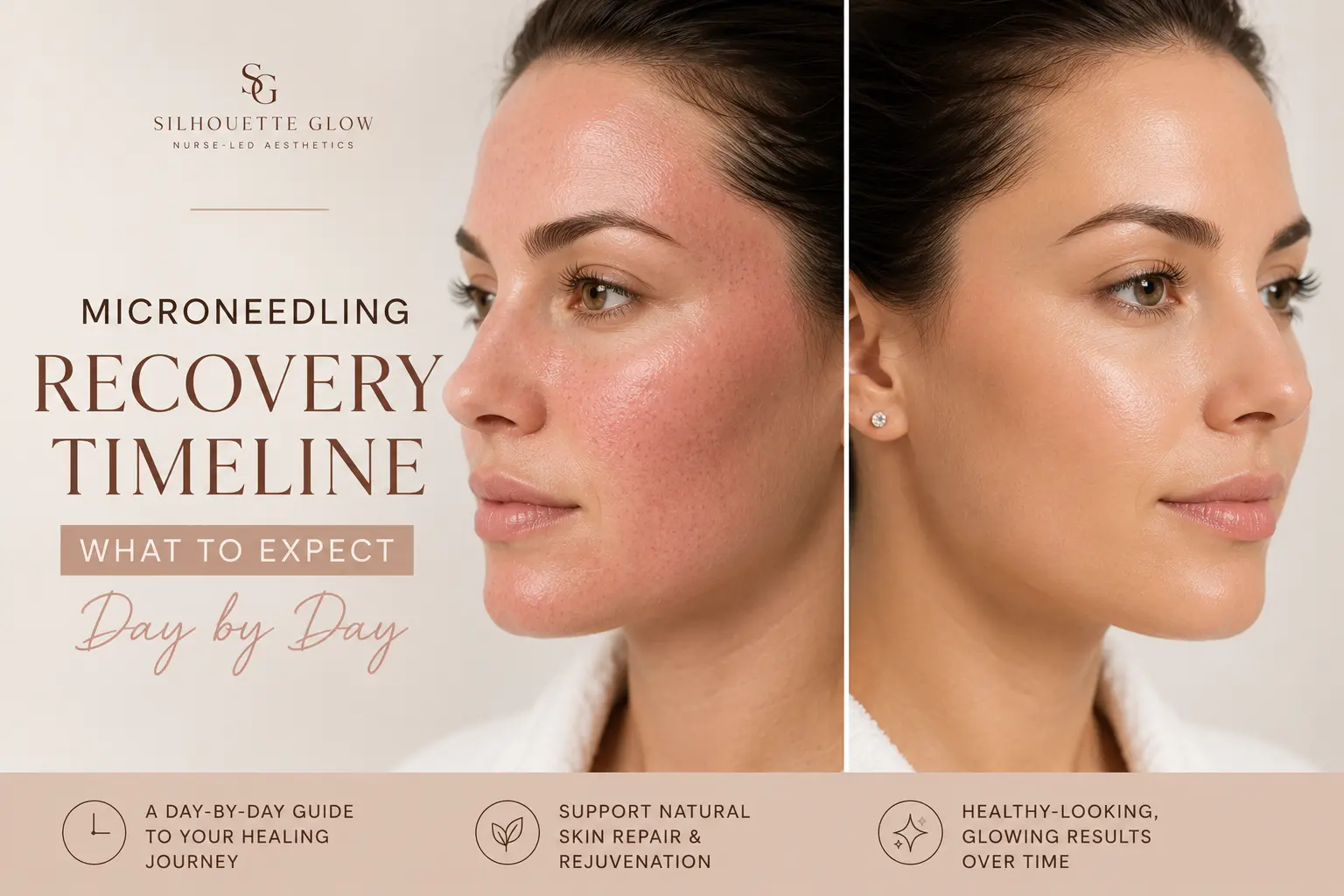
Navigating post-procedure healing requires an accurate, science-based perspective. This guide details the complete microneedling recovery timeline, breaking down the biological shifts that occur from the first hour up to several months after a session. Written from a professional, nurse-led perspective, it explains what is normal during the inflammatory, proliferative, and tissue remodeling phases, allowing patients to manage their social calendars and support their skin renewal journey with confidence.
Introduction
One of the most appealing aspects of professional microneedling is its ability to deliver profound skin rejuvenation without the extensive, disruptive downtime often associated with deep laser resurfacing or surgical interventions. Known widely within clinical aesthetics as collagen induction therapy, this aesthetic procedure triggers a powerful, natural skin repair system through thousands of microscopic channels.
However, because this process relies on activating your body’s internal healing cascade, your skin must progress through a sequence of physiological stages before revealing a smoother, firmer, and healthier-looking appearance.
For anyone considering a session in Northern Ireland, understanding the microneedling recovery timeline is crucial. Knowing exactly what to expect hour by hour and day by day eliminates post-treatment anxiety, helps you plan your social and professional calendar, and ensures you are providing your skin with the correct support at the right time. This guide breaks down the biological healing milestones, allowing you to move through your recovery journey with complete confidence.
The First 24 Hours: The Height of Inflammation
The immediate phase following your microneedling treatment marks the peak of the body’s inflammatory response. This is not a complication; it is the necessary biological trigger that initiates skin renewal.
| Hours 1 to 24 Milestones |
|---|
| • Moderate to deep pink or red skin (erythema) |
| • Localized warmth, skin tightness, and mild swelling |
| • Skin feels similar to a moderate sunburn |
| • Microchannels remain temporarily open and vulnerable |
When you first leave the clinic, your skin will look flushed and feel noticeably warm to the touch. The sensation is almost identical to a moderate sunburn. Pinpoint spots may have occurred during the session, which is a normal indicator that the deep dermis was reached, but these are cleansed away before you depart.
During these initial hours, your focus must remain entirely on protecting the open micro-channels from contamination. Your skin barrier is temporarily down, making cleanliness your absolute priority. Avoid makeup, keep your fingers off your face, and let the skin rest. By the time you go to sleep on a fresh pillowcase, the initial heat will already begin to soften into a tight, dry sensation.
To read about the exact physical mechanisms used to create these precision channels safely without tearing the tissue, see our cornerstone article, How Does Microneedling Work? The Science Behind Healthier-Looking Skin.
Days 2 to 3: The Transition to Healing
As you enter the second and third days of your microneedling recovery timeline, your skin transitions from the acute inflammatory phase into the proliferation phase.
Day 1: Acute Redness & Heat
│
▼
Days 2 to 3: Pinkness, Tightness & Early Dryness
By day 2, the intense red color typically fades to a light pink flush, similar to a very mild sunburn. Any minor swelling or puffiness around sensitive areas like the eyes or upper lip generally resolves during this window.
The skin will begin to feel exceptionally tight and dry. This happens because the temporary compromise of your skin barrier increases transepidermal water loss (TEWL), allowing internal moisture to escape quickly. You may also notice a slight sandpapery texture when cleansing.
During this phase, you can safely wash your face with a gentle, non-stripping cleanser and apply pure hyaluronic acid or a ceramide-rich barrier cream to comfort the tightness. If your lifestyle requires you to step outdoors, a physical, mineral-based sunscreen is mandatory to protect the delicate, newly forming epidermal layers.
If you are currently holding back from booking because you are worried about the comfort levels during this initial transition phase, you can discover what the actual process feels like in our detailed guide, Does Microneedling Hurt? What to Honestly Expect From Your Treatment.
Days 4 to 7: The Peeling and Renewal Phase
Between the fourth and seventh days, you will begin to see the visible results of your body’s natural skin repair process. This is the stage where old, damaged surface tissue is actively shed to make room for fresh cells.
The Onset of Light Peeling
Around day 4 or 5, many clients experience mild flaking, peeling, or a powdery skin texture, particularly around highly mobile areas of the face like the mouth, nose, and chin. This shedding is an excellent indicator that cellular turnover has been accelerated by the microneedling treatment.
It is absolutely vital that you do not pick, scratch, pull, or use physical scrubs to remove this peeling skin. Forcing the skin to shed before it is biologically ready will tear the fragile new tissue forming underneath, risking post-inflammatory hyperpigmentation or minor scarring. Allow the flaking to resolve naturally through consistent, gentle hydration.
| Critical Reminder for Days 4 to 7 |
|---|
| • Do not pick or pull loose, peeling skin patches. |
| • Do not use exfoliating scrubs, chemical acids, or washcloths. |
| • Do continue using pure hyaluronic acid and a rich ceramide moisturizer. |
| • Do protect freshly healed skin with a high-quality mineral SPF sunscreen. |
The Return of Baseline Skin Tone
By day 6 or 7, any remaining pinkness, flaking, or minor tracking marks will have completely vanished. Your skin barrier successfully reseals itself, and your complexion returns to its normal baseline color.
Many individuals notice that their skin already looks brighter, refreshed, and cleaner by the end of the first week. At this stage, if your skin feels completely calm, smooth, and comfortable, you can slowly and gradually reintroduce your standard skincare products and active cosmetics.
To learn more about the delicate balance of keeping your skin hydrated and safe during this turning point, check out our comprehensive guide on Microneedling Aftercare.
Week 2 and Beyond: Silent Dermal Remodeling
Once you pass the one-week milestone, your visible recovery is officially complete. You can return to your normal daily activities, exercise routines, and advanced skincare products without restriction. However, beneath the surface, the most important phase of your treatment is just beginning.
Dermal Activity: [Weeks 1-2: Early Tissue Bridge] ---> [Weeks 4-12: Deep Collagen Maturation]
Visual Result:   [Fresh, bright surface glow]      ---> [Noticeable improvement in firmness]
The tissue remodeling phase is a slow, methodical biological journey that takes place deep within the dermis. While your face looks completely normal on the outside, fibroblast cells are working continuously to replace temporary Type III collagen with strong, organized Type I collagen bundles. They are simultaneously weaving new elastin fibers to restore your skin’s natural snap-back flexibility.
Because collagen stimulation takes time to mature, structural improvements do not happen overnight. The peak visual benefits of a single professional microneedling session—such as a visible softening of fine lines, an improvement in acne scarring texture, and a more resilient firmness—typically become apparent between 8 to 12 weeks post-procedure. This structural improvement continues to build cumulatively with every subsequent session you complete.
Factors that Can Accelerate or Delay Your Timeline
It is important to recognize that a microneedling recovery timeline is not identical for everyone. Several personal, biological, and technical variables can cause your skin to heal slightly faster or slower than the average milestones.
Needle Depth Selection
The depth of the micro-injuries delivered during your aesthetic procedure heavily influences your skin’s recovery path. Superficial sessions targeting light pigmentation or product absorption (0.25mm to 0.5mm) involve minimal downtime, with redness resolving within 24 hours. Deeper treatments targeting deep acne scars or structural wrinkles (1.5mm to 2.5mm) reach further into the vascular dermis, meaning your skin may remain pink, dry, and tight for a full 3 to 4 days before entering the peeling stage.
Baseline Regenerative Capacity and Age
Your chronological age and baseline health dictate how quickly your cells navigate the wound healing cascade. Younger skin naturally possesses a higher concentration of active fibroblasts and a rapid cellular turnover rate, often resolving post-care flaking within a couple of days. More mature skin requires a slightly extended window to complete tissue remodeling, meaning the recovery milestones progress at a more measured, patient pace.
Lifestyle and Environmental Exposure
Your choices immediately following your treatment can actively change your healing speed. Exposing your vulnerable skin to direct sunlight, high heat, sweat, or harsh chemical ingredients during the first 48 hours will cause secondary irritation. This prolongs inflammation and delays the transition to the proliferation phase. Conversely, maintaining proper internal hydration and following your clinical aftercare instructions meticulously keeps your timeline running perfectly on track.
How to Seamlessly Plan for Your Treatment Sessions
Because the visible downtime of a professional microneedling treatment is short and highly manageable, scheduling your sessions around your professional and personal life is incredibly simple.
-
The “Weekend Healing” Strategy: Many clients prefer to book their appointments on a Thursday evening or Friday afternoon. This allows the peak redness and heat to resolve over the weekend in the comfort of your own home. By Monday morning, any remaining pinkness can be easily covered with a clean, breathable mineral makeup, allowing you to return to work without anyone noticing you had a treatment done.
-
Managing Major Special Events: If you are planning a treatment in preparation for a major life event—such as a wedding, holiday, or professional photo shoot—timing is everything. To ensure your skin has completely moved past the flaking stage and has had ample time to develop fresh, radiant collagen, we recommend scheduling your final session at least 3 to 4 weeks prior to your event date.
For those looking to understand how this timeline integrates into an overall treatment plan, or how it compares to other options that require different downtime scales, you may find our comparison guide helpful: Microneedling vs Chemical Peels.
Frequently Asked Questions
1. How long does the average microneedling recovery timeline last?
The visible recovery timeline typically lasts between 3 to 5 days, during which your skin transitions from a sunburn-like redness to mild dryness and light flaking. The deep, invisible structural healing process continues beneath the surface for up to 3 months.
2. Is it normal to look incredibly red immediately after microneedling?
Yes, absolutely. Localized redness, or erythema, is a completely healthy and normal response to controlled micro-injuries. It indicates that your body has successfully initiated the inflammatory phase of the healing cascade, sending a rich supply of oxygenated blood to the area.
3. When can I go back to my normal workout routine?
You should wait at least 48 hours before participating in heavy exercise, running, or swimming. Sweating while your micro-channels are open can trap bacteria and natural body acids in the skin, causing severe stinging, secondary inflammation, or minor skin rashes.
4. Why does my skin look darker or slightly bronzed on Day 3?
As old, damaged epidermal cells are pushed to the surface by the rapid formation of new cells underneath, they can temporarily become dry, compact, and appear slightly darker or “bronzed.” This is a normal precursor to the light peeling phase and will resolve on its own.
5. Can I use makeup on Day 2 to cover up the pinkness?
It is highly recommended to avoid traditional liquid foundations, concealers, and makeup brushes for at least 24 to 48 hours. Applying cosmetics too early can introduce artificial dyes, oils, and bacteria into the delicate healing channels. Once 48 hours have passed, a clean, high-grade mineral makeup can be safely used.
6. When will I see the final results of my collagen induction therapy?
While your skin will look beautifully refreshed and glowing within a week, the structural results—such as scar reduction and firmer tissue—take time. True collagen maturation peaks between 8 to 12 weeks after your session.
7. What should I do if my skin starts peeling on Day 4?
Allow the peeling to happen completely naturally. Keep the skin deeply moisturized with pure hyaluronic acid or a practitioner-approved barrier cream. Never pick, peel, or scrub the loose skin flakes, as this can cause bleeding, irritation, or hyperpigmentation.
8. Does a deeper needle depth mean I will have a longer recovery timeline?
Yes. Deep dermal treatments (1.5mm to 2.5mm) used for deep acne scars or severe wrinkles cause a more profound biological response, meaning redness, swelling, and dryness can remain noticeable for a full 3 to 4 days compared to a shallow 24-hour recovery from a superficial session.
9. Why can’t I use my Retinol or Vitamin C serum during the first week?
Active skincare ingredients like Retinol and chemical acids are designed to force cellular exfoliation or intense activity. Applying them to vulnerable, newly punctured skin will compromise the healing cascade, causing intense burning, chemical irritation, and delayed healing.
10. Is pinpoint bleeding normal, and does it prolong recovery?
Yes, minor pinpoint bleeding during the active needling process is a normal clinical sign that the needles have successfully entered the dermis to trigger collagen production. It stops instantly and does not extend your recovery timeline; your micro-channels still close within the same initial window.
11. Can I go out in the sun during my microneedling recovery?
You should strictly avoid direct sun exposure and tanning beds for at least 7 to 10 days post-treatment. Your newly renewed skin is highly sensitive to UV rays and lacks its full protective barrier, making it extremely prone to sun damage and dark spots. Always wear a physical mineral SPF.
12. How many days off work will I need after a professional session?
For most standard treatments, you will not need to take any time off work at all. If your session is completed on a Friday, the vast majority of the redness will have faded by Monday morning, allowing you to return to your normal professional routine comfortably.
13. My skin feels incredibly tight and itchy on Day 3. What should I do?
Itchiness and tightness are classic signs that your skin barrier is dry and actively healing. Do not scratch your face. Instead, apply a generous layer of a bland, fragrance-free moisturizer containing ceramides or pure hyaluronic acid to instantly calm the nerve endings.
14. What happens if I accidentally use an exfoliating acid on Day 2?
If you mistakenly apply an active ingredient, wash it off immediately with cool water. Keep your routine focused entirely on protective barrier creams for the next few days to allow the irritation to calm down. Contact your clinic if you experience persistent burning or blistering.
15. Where can I receive professional microneedling with dedicated timeline support in Northern Ireland?
Expertly delivered treatments with comprehensive, patient-centered recovery guidance are available at Silhouette Glow, a premium nurse-led clinic located in Richhill, County Armagh. Booking with a registered nursing professional ensures your recovery timeline is completely safe, structured, and tailored to your skin’s needs.
Final Thoughts
The microneedling recovery timeline is a beautiful demonstration of human biology in action. Far from being a random or unpredictable process, post-treatment healing follows a highly regulated chronological path, transforming a brief period of controlled clinical redness into a long-term structural upgrade for your complexion.
By understanding that the initial warmth, tightness, and light flaking are positive signs of natural skin repair, you can navigate the first few days of recovery with complete confidence. The visible downtime is remarkably short, making it an incredibly convenient option for individuals with busy, modern lifestyles.
As with any advanced aesthetic procedure, achieving an optimal, smooth recovery relies entirely on the expertise behind the device. Entrusting your treatment to a regulated clinical professional guarantees that your skin is mapped with the correct depth parameters, keeping your downtime minimal and your journey toward healthier-looking skin beautifully predictable.
Book Your Glow at Silhouette Glow
If you’re considering professional microneedling and would like personalised advice based on your skin concerns and goals, booking a consultation with a qualified practitioner is the best place to start.
At Silhouette Glow, located at Unit 4, Bramley Business Centre, 36-38 Main Street, Richhill, County Armagh, we prioritize an educational, transparent, and honest approach to aesthetic care. During an initial consultation, we will thoroughly review your personal skin architecture, explain your specific recovery milestones based on the treatment depths required, and provide you with a tailored care strategy to ensure your healing process is completely stress-free and successful.
To learn more about our nurse-led clinical values, feel free to read About Vaida, or take the first confident step toward luminous skin renewal by arranging your private consultation today. You can also read client reviews and see our latest updates through our Google Business Profile.